
Start with what you can see
A damp ceiling, a slipped slate or water running behind a gutter gives us a useful starting point. Tell Adam when you first noticed it and whether it changes with wind or rain. A leak can travel before it shows indoors, so the visible mark alone does not establish where the roof has failed.
Photographs taken from the ground or through a safely accessible window can help explain the problem. Leave roof access to the people assessing the work. If damage is active or materials appear loose, call to discuss an emergency assessment and current availability.
Tiles, slates and the details between them
We replace cracked, missing and slipped tiles and slates, looking at the surrounding covering as well as the damaged piece. Existing materials can often be matched by size, profile and colour. Reclaimed materials may be an option for older roofs; we explain the available match before work is agreed.
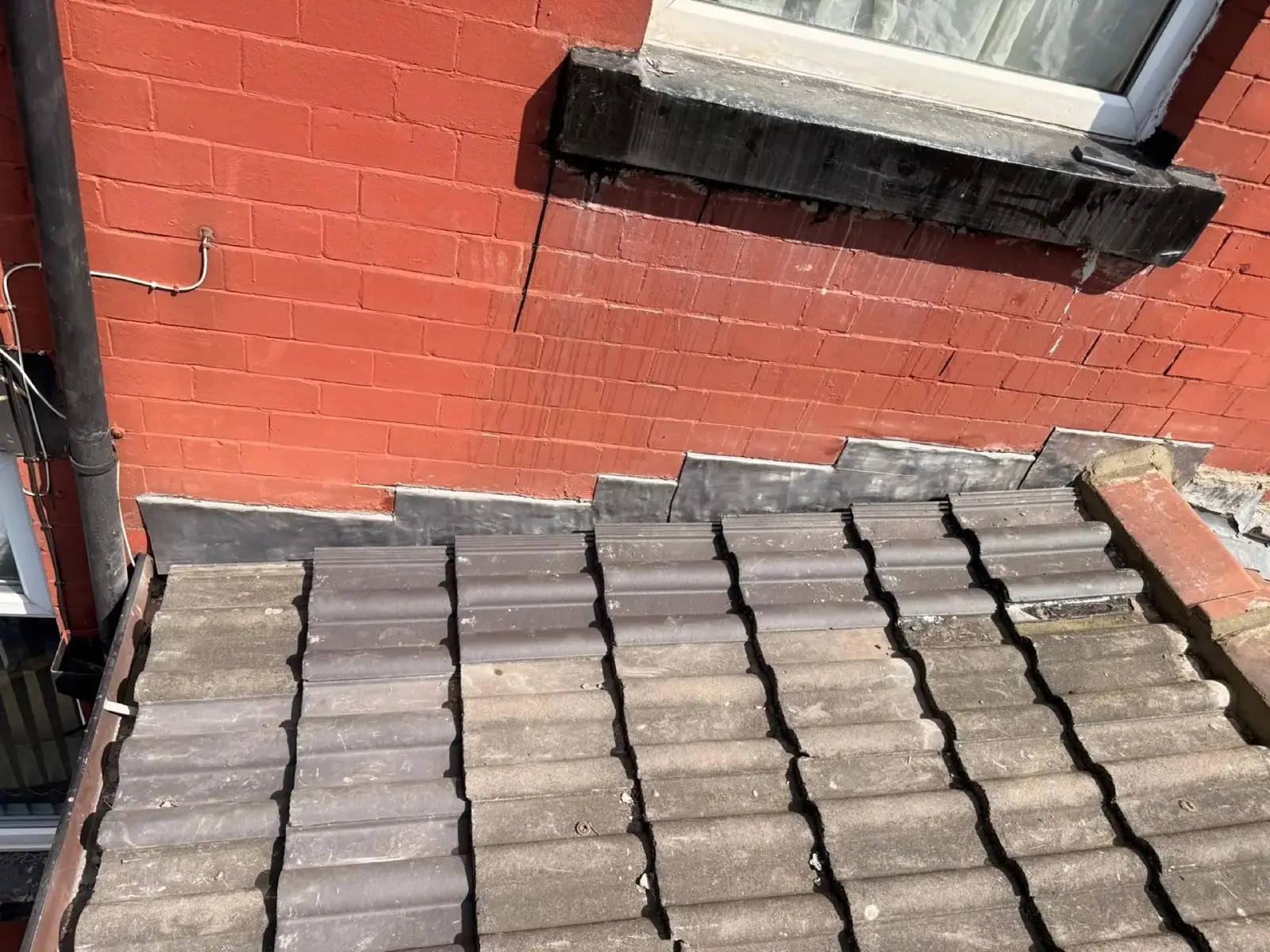
Ridges, valleys and chimney junctions need their own assessment. Loose ridge tiles may need re-bedding or repointing, while a dry ridge or dry verge system may be appropriate for the proposed work. Lead flashing and soakers help keep water out where a roof meets a wall or chimney. Repairing those details can be more useful than replacing sound tiles nearby.
Flat roofs and rainwater drainage
Felt, EPDM rubber and GRP fibreglass roofs can develop different faults. Splits, damaged edges, blistering and ponding water need an inspection of the covering and its base. We discuss whether a local repair, an overlay or a replacement makes sense for the condition found.
Blocked gutters and damaged valleys can also cause water to enter a building. We check how water leaves the roof and whether brackets, joints or downpipes need attention. Our flat roof and roofline guides explain these parts in more detail, so you can compare the proposed scope before deciding.
What the written quote should explain
An initial repair assessment is free. The written quote sets out the work proposed and the materials needed. Access matters: roof height, a narrow passage, an extension below the leak or a shared boundary can change the equipment required. Ask Adam to explain any scaffolding and disposal included in your particular quote.
A useful repair plan also distinguishes temporary protection from the finished work. Where weather or materials prevent a permanent repair at the first visit, discuss what can be done safely and what needs a later appointment. Out-of-hours emergency callouts carry a callout fee, with permanent work quoted separately.
Repair or re-roof?
A local defect does not automatically mean a new roof. The decision depends on the wider covering, fixings, roof structure and the pattern of previous leaks. We explain what can be repaired and where further deterioration makes a broader replacement worth considering.
If you already have a survey, photographs or details of earlier repairs, mention them when you enquire. They give context to the inspection. You can also browse our recent roofing work and the new roofs guide before discussing the options for your property.